
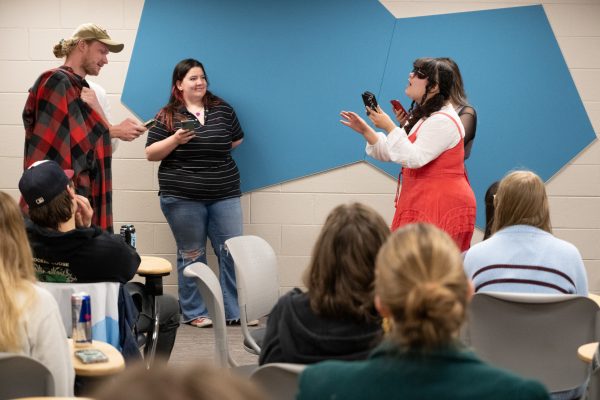
Photo: CSU students perform scenes from John Gay’s The Beggar’s Opera during Dr. Aparna Gollapudi’s “Genre Bending” class in May 2025.
Think about what novels students are given to read in school, what audiences laughed at in comedies 300 years ago, or what playgoers witness on and off the stage of a modern theater. This curiosity fuels the work of our English faculty as they explore how perspective shapes meaning across time, genres, and cultural spaces, and why it matters to our world today.
- Ricki Ginsberg explores YA literature, identity, and censorship
- Aparna Gollapudi discusses how comedy manipulates and exposes the social and political identities we hold
- Ryan Claycomb shares how the emotional responses of audiences influence how political plays are being made right now
Across these conversations, a clear through-line emerges: Creating meaningful social change begins with challenging our surroundings, positionalities, and experiences by asking the ever-political question: But why? From there, we must chase it thoughtfully and relentlessly: And? And? And?
What stories do we teach?
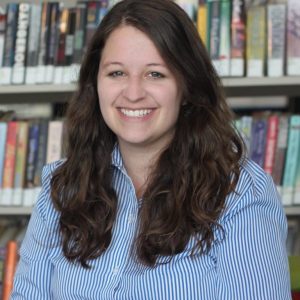
In her research, professor Ricki Ginsberg investigates how teachers use diverse texts in their classrooms, with a particular focus on young adult literature and book censorship. Recalling a pivotal moment from her own education, Ginsberg highlights why what we read as young adults is so important to our identity, empathy, and critical understanding of the world.
Why was something funny then and not now?
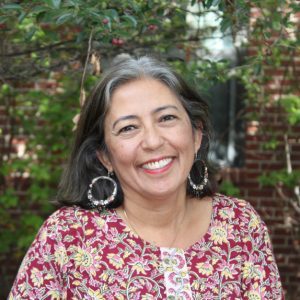
With professor Aparna Gollapudi, we rewind from a student-led discussion in a recent class back to the 18th century, examining how the theories, tropes, and binaries of Restoration comedy echo throughout Bollywood rom-coms of the 1950s and even today’s TikToks. Here, Gollapudi reveals how comedy manipulates and exposes the social and political identities we hold.
Who is theater for?
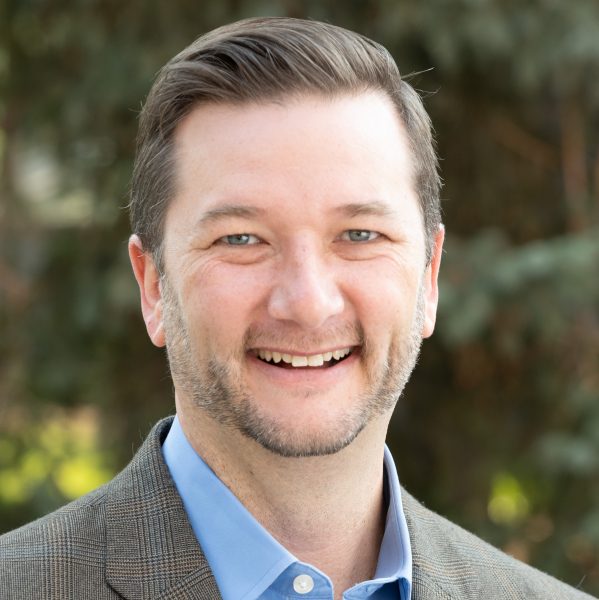
Alongside professor and associate dean Ryan Claycomb, we travel to Washington D.C.’s Arena Stage to explore how real stories and politics intersect in mainstream theaters. Drawing a parallel between performance and public life, Claycomb discusses how the emotional responses of audiences influence how political plays are being made right now.
Liberal Arts Impact
Colorado State University’s College of Liberal Arts is a vibrant community of artists, thinkers, storytellers, and scientists who examine the human experience. In these podcasts, our faculty share their areas of expertise and talk about why their work matters in our world today.
Faculty and staff recorded their podcasts with CSU's Center for Science Communication through the leadership of Associate Professor Jaime Jacobsen and her graduate students in the Department of Journalism and Media Communication.