
Sociology examines how broad social structural processes connect and shape individual and group behavior and, simultaneously, how we as individuals shape and structure broader processes of change.
In these podcasts, Jessie Luna explores the cultural stereotypes that zoos reinforce and Josh Sbicca works with a geography professor to identify the ways in which prisonsers are used in agricultural work throughout the United States.
Beyond ‘The Lion King:’ Why are cultural stereotypes still found at zoos, museums?
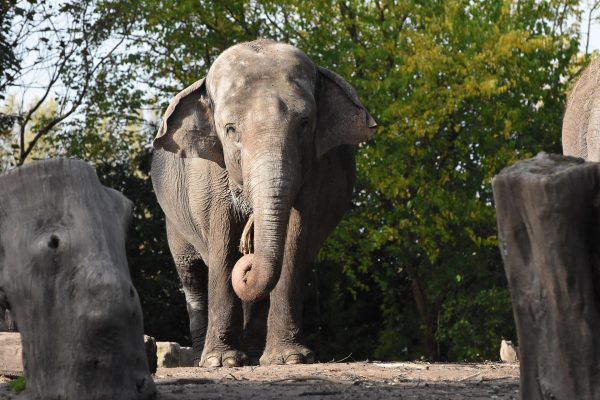
When you think of Africa, what image comes to mind first? Is it lions and elephants? Maybe grass huts. In the West, it’s a common mindset.
It’s so common that when a Johns Hopkins researcher typed the phrase “Black African doctors providing care for white sick children” into an artificial intelligence program to see what photos it would generate, the program, which draws from a database of existing images, either only showed images of white doctors treating Black children or Black doctors surrounded by things like giraffes.
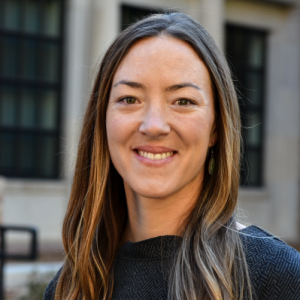
Jessie Luna is an associate professor of sociology at Colorado State University, researching how cultural politics intersect with processes of capitalism to create and normalize social inequalities. She is currently researching how these kinds of stereotypes impact our everyday lives, even during a simple trip to the zoo.
Prison Agriculture Lab researches the roots, impact of the prison agriculture industry
There are more than 600 prison agricultural programs currently in the United States, but very little data looking at the how, what, and maybe most importantly, why of these programs.
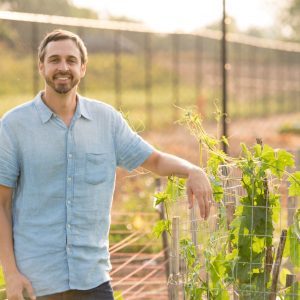
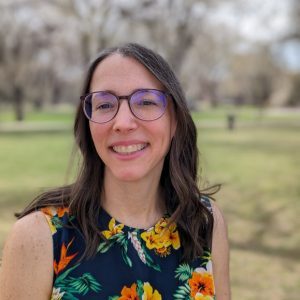
Colorado State University’s Prison Agriculture Lab is looking to change that. Co-directors Joshua Sbicca and Carrie Chennault talk about the lab’s landmark dataset analyzing the different types of current prison agricultural programs, as well as the underlying drivers behind them.
Liberal Arts Impact
Colorado State University’s College of Liberal Arts is a vibrant community of artists, thinkers, storytellers, and scientists who examine the human experience. In these podcasts, our faculty share their areas of expertise and talk about why their work matters in our world today.
Faculty and staff recorded their podcasts with CSU's Center for Science Communication through the leadership of Associate Professor Jaime Jacobsen and her graduate students in the Department of Journalism and Media Communication.